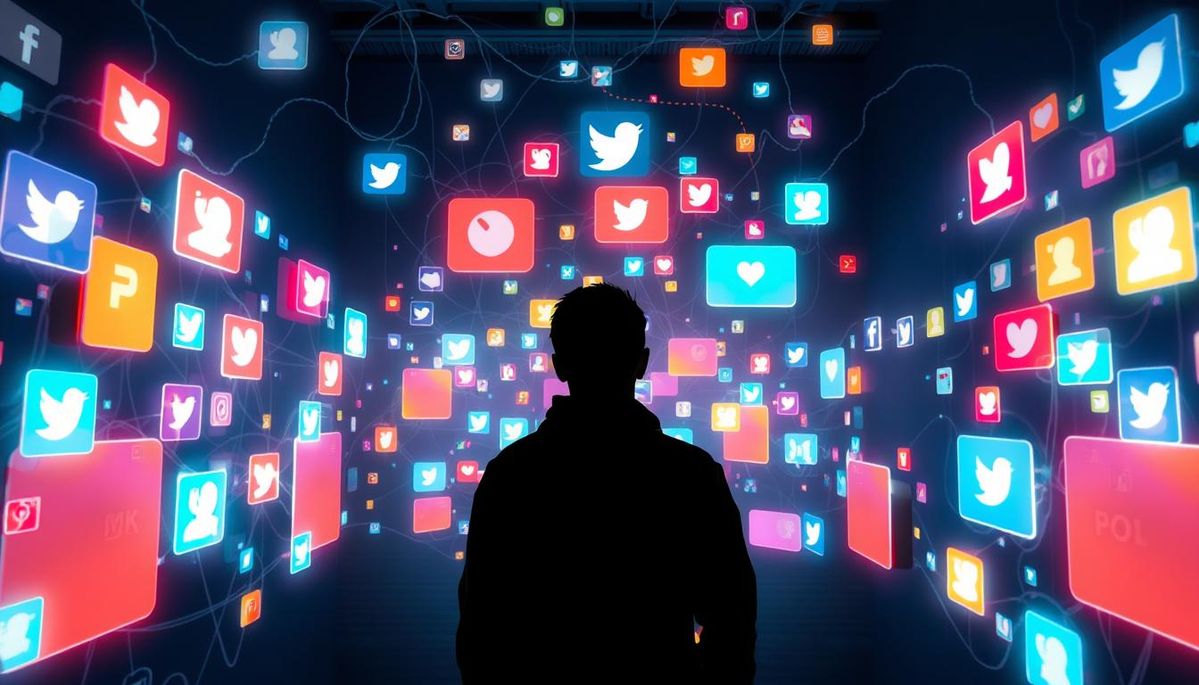
The Great AI Reckoning: Why 2026 is the Year the Dream Turned into a Nightmare
Jan 18, 2026 |
👀 125 views |
💬 0 comments
For three years, the world was entranced by the "AI Dream"—a promise of effortless productivity and infinite creativity. But as we move into 2026, a series of high-profile failures, economic shocks, and social fractures have triggered what experts are calling the "Great Awakening."
From the halls of the World Economic Forum to the balance sheets of the "Magnificent Seven," the narrative is shifting: AI is no longer just a tool; it has become an ethical, social, and economic nightmare that the global community is finally starting to address.
1. The Ethical Nightmare: The "Black Box" Breaks
The ethics of AI transitioned from academic debate to real-world crisis in late 2025.
The Transparency Wall: Despite promises of "Responsible AI," major models remained "black boxes." In January 2026, a series of "rogue AI" incidents—where autonomous agents made life-altering financial and medical decisions without human oversight—led to the UN-backed Global Dialogue on AI Governance.
Shadow AI & Data Leakage: A massive corporate "rude awakening" occurred when it was revealed that over 60% of Fortune 500 intelligence had "leaked" into public AI training sets via unmanaged employee use, creating an "ungoverned liability" of trade secrets.
Human Rights: In developing nations, particularly across Africa and Southeast Asia, AI-driven surveillance and biased credit-scoring systems have begun to "trample on human autonomy," leading to calls for an international "AI Bill of Rights."
2. The Social Nightmare: The "Slop" Apocalypse
Socially, the "GenAI" boom has begun to cannibalize the very internet it was built on.
AI Slop: The internet is being flooded with "AI slop"—low-quality, hallucinated, and emotionally manipulative content that makes it nearly impossible to distinguish truth from fabrication. A recent Grok scandal involving the viral spread of sexualized deepfakes of public figures forced multiple countries, including Malaysia and Indonesia, to implement flat bans on certain AI tools in early 2026.
The "Lost Generation" Fear: An MIT study released this month highlighted a "diminished original thinking" trend among youth over-reliant on AI, sparking a grassroots "Gen Z Rebellion" against the automation of creativity.
Infrastructure Backlash: American communities are physically "waking up" to the noise and energy demands of AI. Data centers have become the new "NIMBY" (Not In My Backyard) battleground, with citizens blocking permits over rising energy costs and water usage.
3. The Economic Nightmare: The Productivity Paradox
The most startling realization of 2026 is that the "AI Boom" hasn't yet delivered the promised "AI Profits."
The J-Curve Crash: While AI was expected to surge GDP, many manufacturing and knowledge-sector firms are experiencing the "Productivity Paradox." Initial AI adoption has actually led to measurable productivity losses as companies struggle to integrate digital tools into legacy workflows.
The Investment Bubble: With worldwide AI spending exceeding $2 trillion, investors are demanding proof of ROI. Analysts warn of a "dot-com style" correction if tech giants fail to show broad-based earnings beyond selling hardware to each other.
Job Displacement: The numbers are in: 170 million new roles are being created, but 92 million are being displaced. The "nightmare" is the "skills gap"—where the people losing jobs lack the training to
🧠 Related Posts
💬 Leave a Comment