FROM OUR ASIA TECH & INTERNET CULTURE DESK Alibaba, Tencent, and ByteDance Turn Lunar New Year into a High-Stakes Battle for the AI Super App
Feb 10, 2026 |
👀 62 views |
💬 0 comments
The traditional exchange of red packets (hongbao) has evolved into a digital arms race. As China prepares to ring in the Year of the Horse, the country's technology titans have launched their most aggressive subsidy campaigns to date, collectively pledging over 4.5 billion yuan ($620 million) in cash and prizes.
Unlike previous years where the goal was to drive mobile payments, the 2026 objective is singular: to install their AI agent as the default "operating system" for your life.
1. The War Chests: A Multi-Billion Yuan Blitz
The scale of this year's giveaways has eclipsed the "payment wars" of the 2010s, with each giant carving out a specific niche to lure users.
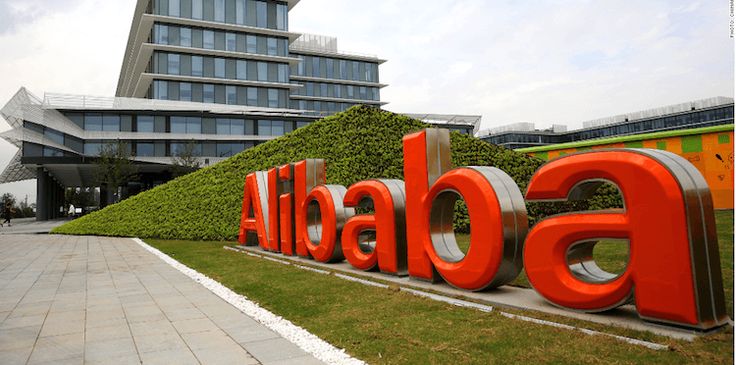
Alibaba (The Spender): Leading the pack with a massive 3 billion yuan ($415M) subsidy, Alibaba is using its Qwen (Tongyi Qianwen) app as a universal shopping assistant. The "Eat, Drink, and Play" campaign integrates Qwen directly with Taobao, Freshippo, and Alipay, effectively paying users to let the AI manage their holiday shopping lists.
Tencent (The Social Engineer): The WeChat parent has committed 1 billion yuan ($138M) to push its Yuanbao app. Tencent is leveraging its social dominance, encouraging users to drag the AI into their group chats to act as a "smart secretary" that can summarize family gossip or generate memes on the fly.
ByteDance (The Showstopper): Instead of just cash, the TikTok/Douyin parent has secured the coveted exclusive partnership with the CCTV Spring Festival Gala. Its Doubao AI will distribute over 100,000 smart hardware prizes (including robots and drones) during the broadcast, aiming to put "AI in the living room" of hundreds of millions of viewers.
2. The Strategy: Fighting for the "AI Gateway"
Analysts argue that this cash burn is a desperate bid to solve the "retention problem." While millions have downloaded AI chatbots, few use them daily.
The "Super Agent" Thesis: The industry consensus for 2026 is that AI will evolve from a tool you visit (like a website) to an agent that lives in the background. By linking red packets to specific tasks—like "ask Qwen to book a restaurant" or "have Yuanbao write a New Year greeting"—these companies are training users to treat AI as a concierge rather than a search engine.
Ecosystem Lock-in: Baidu, while spending a smaller 500 million yuan, is focusing on deep integration with its existing Search app, betting that users prefer an "invisible" AI upgrade over downloading a standalone app.
3. The Backlash: Spam, Scams, and "Digital Wool Gatherers"
The aggressive push has not been without friction.
Viral Fatigue: Tencent’s campaign faced immediate backlash for its "share to win" mechanics, which led to users spamming private family groups with Yuanbao links. In a rare move, users began creating "anti-spam" mutual aid groups solely to dump links without annoying friends.
The "Wool" Problem: Skeptics warn that these campaigns attract "wool gatherers" (users who exploit subsidies for profit) rather than genuine users. Data from the 2025 mid-year sales showed that retention rates for users acquired through cash giveaways dropped by 60% within 30 days once the subsidies ended.
4. Regulatory Shadow: The "Local-First" Reality
This marketing blitz operates under the strict supervision of Beijing's internet regulators.
Compliance is King: All "red packet" algorithms had to be vetted to ensure they didn't violate 2026 anti-addiction or gambling laws.
Data Sovereignty: The campaigns are also a muscle-flexing exercise in "Sovereign AI." By driving massive domestic adoption, these firms are generating the localized training data needed to ensure their models (like Qwen-MAX and Doubao-Pro) remain culturally superior to western rivals like GPT-5, which remain restricted in the mainland.
Market Reaction: "This is the last chance for these apps to secure their install base," said a tech analyst at Sinolink Securities. "By 2027, the winner will likely be the default AI on your phone's OS. Everyone else will just be an icon you ignore."
🧠 Related Posts
💬 Leave a Comment