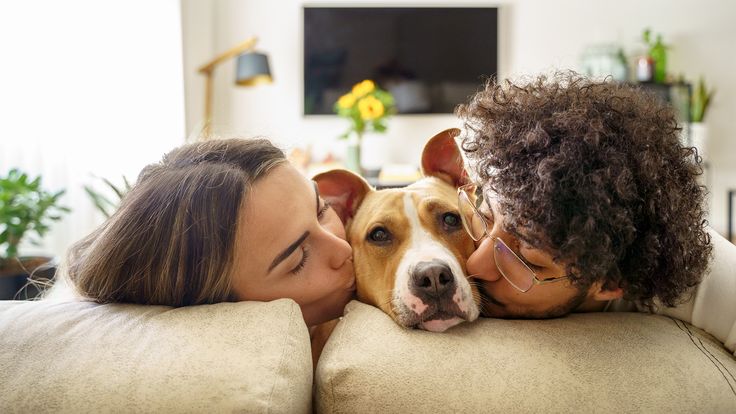
Viral AI Pets Trend Floods Instagram: No, That Influencer Doesn't Own 12 Dachshunds
Nov 29, 2025 |
👀 174 views |
💬 0 comments
If your social media feed has recently been overrun by influencers posing with impossibly cute swarms of Dachshunds, Golden Retrievers, or kittens, do not feel jealous of their new lifestyle. You are likely looking at the latest wave of "AI slop" to hit Instagram and TikTok.
A viral new trend has seen content creators using artificial intelligence tools to edit dozens of hyper-realistic animals into their photos. While the images are racking up millions of likes, they are also sparking a heated debate about authenticity and the growing difficulty of spotting what is real online.
The "Puppy Swarm" Aesthetic
The trend, often dubbed the "AI Pet" challenge, involves influencers taking a standard lifestyle photo—usually sitting in a garden, a cozy living room, or on a staircase—and using generative AI tools to fill the empty space with animals.
The most popular tool driving this craze is Google’s Gemini (formerly Bard) or simple features in apps like Canva and Picsart. Creators simply upload a photo and type a prompt such as: "Add 8 realistic Golden Retriever puppies playing around my feet."
Within seconds, the AI generates a heartwarming, chaotic scene of puppy love that would be nearly impossible (and incredibly expensive) to stage in real life. For influencers, it is a low-effort way to tap into the high-engagement world of pet content without the responsibility of actual ownership.
"It Makes You Feel Dumb"
While many users view the trend as harmless fun, it has led to genuine confusion. In several viral instances, followers have flooded comment sections with questions like, "Did you adopt them all?" or "How do you manage so many dogs?"
"Honestly, it makes you feel dumb when you get fooled by AI," said Maddi, a 25-year-old social media user who initially believed a viral photo of a creator with a dozen kittens.
Critics have branded the content "AI slop"—a term used to describe low-quality, mass-produced synthetic media designed solely to farm engagement. There is growing concern that as these images become more common, the line between an influencer's "curated reality" and complete fiction is evaporating.
"There is an element of mistrust because there’s such an importance of being true to yourself and showing your true personality," noted one digital creator in an interview with Yahoo Style.
How to Spot the Fakes
Despite the rapid improvement in AI technology, these "puppy swarm" photos often fail under close inspection. Experts advise looking for these tell-tale signs:
The "Melting" Anatomy: AI struggles with complex biological structures. Look closely at the paws and tails. You will often find puppies with three legs, tails that merge into the carpet, or ears that disappear into another dog’s head.
The "Clone" Effect: AI models often reuse the same texture or face. If three dogs in the photo look identical in their fur pattern and facial expression, it is a generated image.
Lighting Mismatches: Check the shadows. If the influencer is lit from the left, but the dogs have shadows falling to the right (or no shadows at all), the image is synthetic.
The Background Blur: To hide imperfections, creators often apply a heavy blur to the animals in the background. If the depth of field looks unnatural—with sharp dogs in the front and unrecognizable blobs in the back—it’s likely AI.
As platforms like Instagram and TikTok struggle to enforce mandatory AI labeling, users are being left to navigate this uncanny valley on their own. For now, if you see an influencer suddenly surrounded by a zoo's worth of animals, it is safe to assume the only thing real in the photo is the person (and sometimes, not even that).
🧠 Related Posts
💬 Leave a Comment