Trump Approves Sale of Advanced Nvidia AI Chips to China, Igniting Capitol Hill Clash
Dec 8, 2025 |
👀 138 views |
💬 0 comments
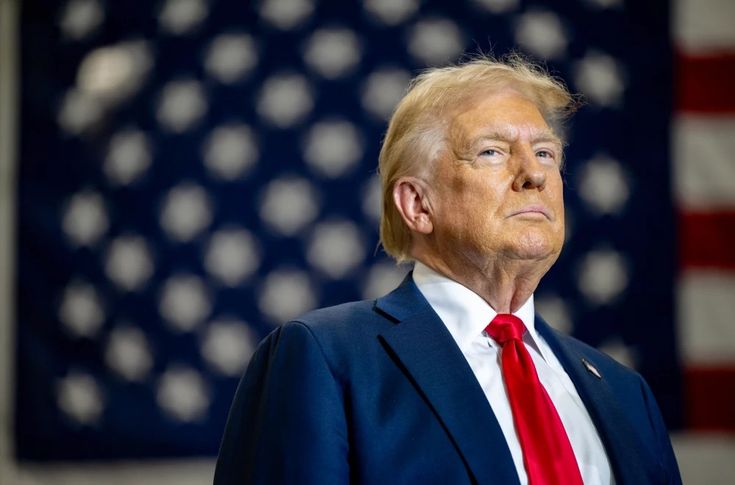
In a dramatic reversal of U.S. export policy, President Donald Trump announced on Monday that his administration will allow Nvidia to resume sales of its advanced H200 artificial intelligence chips to "approved customers" in China. The move, which Trump claims is part of a new agreement with Chinese President Xi Jinping, sets the White House on a direct collision course with a bipartisan group of Senators who just days ago introduced legislation to ban these exact transactions.
The announcement marks a significant pivot from the Biden-era "small yard, high fence" strategy, which had blocked the export of cutting-edge silicon to Beijing over national security concerns.
The "Degraded" Chip Era Ends
Writing on his Truth Social platform, Trump criticized the previous administration’s policy of forcing American companies to design "degraded" or watered-down chips (such as the H20) for the Chinese market. He argued that this approach "slowed innovation" and hurt American workers.
"We will allow Nvidia to ship its H200 products to approved customers in China, and other countries, under conditions that allow for continued strong National Security," Trump wrote.
However, the President clarified that the "floodgates" are not entirely open. The approval comes with strict conditions:
The "Blackwell" Ban Remains: Nvidia’s most powerful upcoming chips, the Blackwell and Rubin series, are excluded from the deal and will remain strictly prohibited from export to China.
A "25%" Fee: In a detail that has confused some analysts, Trump noted that "$25% will be paid to the United States of America," implying a massive tariff or licensing fee on each chip sold, potentially generating billions in revenue for the U.S. Treasury.
A Collision with Congress
The timing of the announcement could not be more contentious. Just last Thursday, Senators Pete Ricketts (R-NE) and Chris Coons (D-DE) introduced the SAFE CHIPS Act, a bill explicitly designed to strip the Commerce Department of the authority to approve these very licenses.
Lawmakers from both parties have expressed alarm that the H200—which is significantly more powerful than the chips currently allowed—could be used by the Chinese military to supercharge its autonomous weapons and cyber-warfare capabilities.
"Denying Beijing access to our best AI chips is essential to our national security," Senator Ricketts said last week. With the President now greenlighting the H200, Congress may move to fast-track the SAFE CHIPS legislation to override the White House’s decision, setting up a potential constitutional showdown over trade authority.
Nvidia's Strategic Win
For Nvidia and its CEO Jensen Huang, the decision is a major victory. Huang has spent months lobbying Washington, arguing that "degrading" chips simply cedes the massive Chinese market to local rivals like Huawei without actually slowing China's AI progress.
Following the news, Nvidia shares rose in after-hours trading. The company now faces the complex task of navigating a reopening Chinese market while adhering to a new, high-fee regime and potential legislative headwinds from a hostile Congress.
🧠 Related Posts
💬 Leave a Comment