Stealth Acquisition by Nvidia: $20 Billion Deal for Groq Tech and Talent Shakes AI World
Dec 25, 2025 |
👀 78 views |
💬 0 comments
In a blockbuster holiday surprise that redefines the artificial intelligence landscape, Nvidia has struck a massive deal to absorb the core brainpower and technology of its buzziest rival, Groq.
Announced on Christmas Eve 2025, the agreement is officially labeled a "non-exclusive licensing deal." But with a reported price tag of $20 billion and the mass migration of Groq’s top leadership to Nvidia, industry insiders are calling it what it effectively is: a "stealth acquisition" designed to cement Nvidia’s dominance in the next phase of the AI revolution.
The "Acqui-Hire" of the Decade
While Groq will technically remain an independent company under new CEO Simon Edwards, the heart of the startup is moving to Santa Clara.
The Talent Raid: Jonathan Ross, Groq’s charismatic founder and the original creator of Google’s TPU, will leave his own company to join Nvidia. He brings with him Groq President Sunny Madra and a cadre of elite engineers.
The Technology: Nvidia gains access to Groq’s specialized Language Processing Unit (LPU) architecture. Unlike Nvidia’s general-purpose GPUs, Groq’s chips are purpose-built for "inference"—the act of running AI models in real-time with near-instant speed.
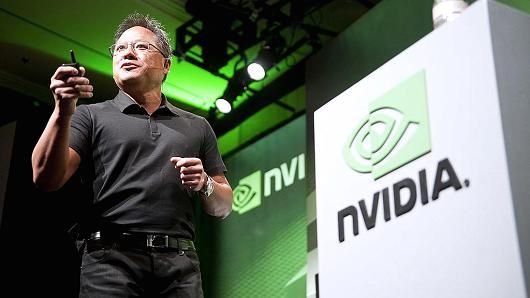
"We are not acquiring Groq as a company," Nvidia CEO Jensen Huang stated in an internal memo, a careful phrasing likely intended to sidestep antitrust regulators who have blocked previous semiconductor mega-mergers (such as Nvidia's failed bid for Arm).
Why $20 Billion for "Inference"?
The massive valuation—nearly triple Groq's $6.9 billion valuation from just three months prior—signals a strategic pivot for Nvidia.
The Problem: Nvidia dominates training (teaching AI models), but inference (using them) requires speed and efficiency more than raw power. Groq’s technology is famous for generating text instantly, without the lag typical of GPU-based clusters.
The Solution: By integrating Groq’s "instant" speed technology into its own AI factories, Nvidia aims to strangle competitors like Google and AMD who were hoping to win the inference market.
"If You Can't Beat Them, Hire Them"
For the broader tech industry, the deal is a stark reminder of the "Big Tech" gravity well. Groq was seen as one of the few independent startups capable of challenging the Nvidia monopoly. Now, its unique architecture will likely become a feature within the Nvidia stack rather than an alternative to it.
"This is the end of the 'rebel alliance' era for AI chips," noted one semiconductor analyst. "If the most promising challenger just sold its captain and its blueprints to the empire, the war might already be over."
🧠 Related Posts
💬 Leave a Comment