India AI Impact Summit 2026: 100+ Global CEOs and World Leaders to Converge in Delhi
Jan 3, 2026 |
👀 138 views |
💬 0 comments
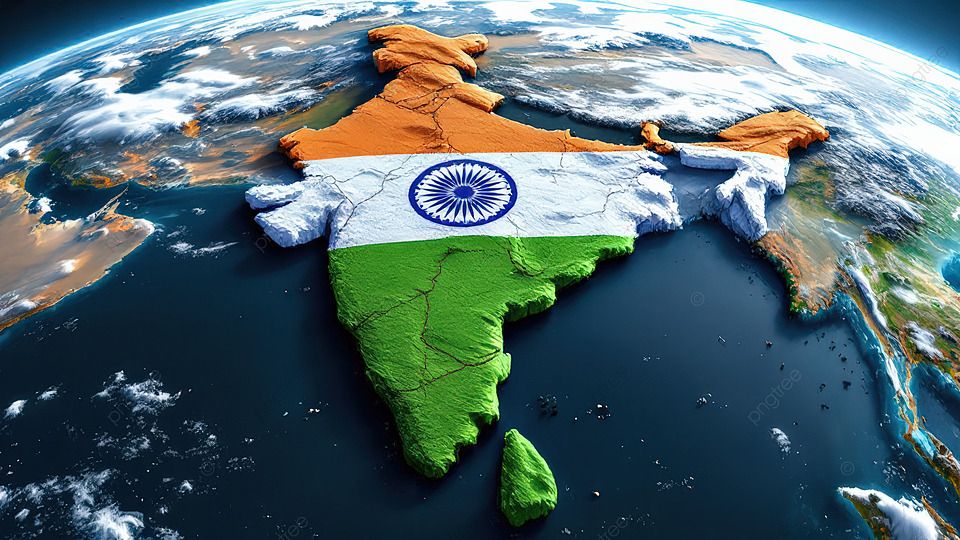
In what is poised to be the largest gathering of artificial intelligence power players in history, over 100 global CEOs and 15 heads of state are set to descend on New Delhi next month for the India AI Impact Summit 2026.
Scheduled for February 15–20 at the Bharat Mandapam, the summit represents a massive diplomatic and technological flex for India, which aims to position itself as the voice of the "Global South" in the rapidly evolving AI landscape.
The "Who's Who" of AI
Ministry of Electronics and Information Technology (MeitY) officials have confirmed a guest list that reads like a roll call of the world’s most powerful tech figures.
The Tech Titans: Confirmed and likely attendees include Jensen Huang (Nvidia), Sam Altman (OpenAI), Bill Gates (Microsoft Co-founder), Demis Hassabis (Google DeepMind), and Shantanu Narayen (Adobe).
Political Heavyweights: Prime Minister Narendra Modi will inaugurate the main summit on February 19. He will be joined by approximately 15 heads of state, with French President Emmanuel Macron and Brazilian President Luiz Inácio Lula da Silva among the high-profile leaders expected to attend.
The Scale: The government anticipates over 150,000 in-person attendees throughout the week, which will feature an "Innovation Festival" and a massive "AI Impact Expo."
The Agenda: "People, Planet, Progress"
Unlike previous global AI summits (held in Bletchley Park, Seoul, and Paris) which focused heavily on "safety" and "existential risk," India’s agenda is aggressively focused on deployment and democratization.
The "Sutras" and "Chakras": The summit is structured around three guiding principles (Sutras)—People, Planet, and Progress. These will be broken down into seven working groups (Chakras) tackling issues like "Safe and Trusted AI," "Democratizing Resources," and "Inclusion for Social Empowerment."
The Global South Strategy: India is using the summit to argue that AI resources—compute power, datasets, and models—must not be hoarded by a few wealthy nations. The goal is to produce a "consensus declaration" that ensures developing economies get equitable access to the "AI stack."
Why It Matters
This event marks a shift from "theoretical AI" to "sovereign AI." By bringing together the hardware suppliers (Nvidia), the model builders (OpenAI/Google), and the political regulators (Heads of State) under one roof, New Delhi is attempting to architect the global governance framework for the next decade of AI development.
"The early summits were about fear; this summit is about function," noted a policy analyst in New Delhi. "India wants to know how AI will actually feed people, cure diseases, and run cities in the developing world."
🧠 Related Posts
💬 Leave a Comment