Apocalypse, Soon? Why Tech Billionaires Are Preparing for the End of the World
Oct 11, 2025 |
👀 201 views |
💬 0 comments
From luxurious bunkers in Hawaii to remote safe havens in New Zealand, some of Silicon Valley's biggest names are quietly investing in "apocalypse insurance." The question is: Should the rest of us be worried?
It's a trend that's been quietly gaining momentum in elite tech circles: doomsday prepping. But forget the stereotypical image of a lone survivalist in a tinfoil hat. Today's preppers are billionaires, and their preparations are as extravagant as their fortunes.
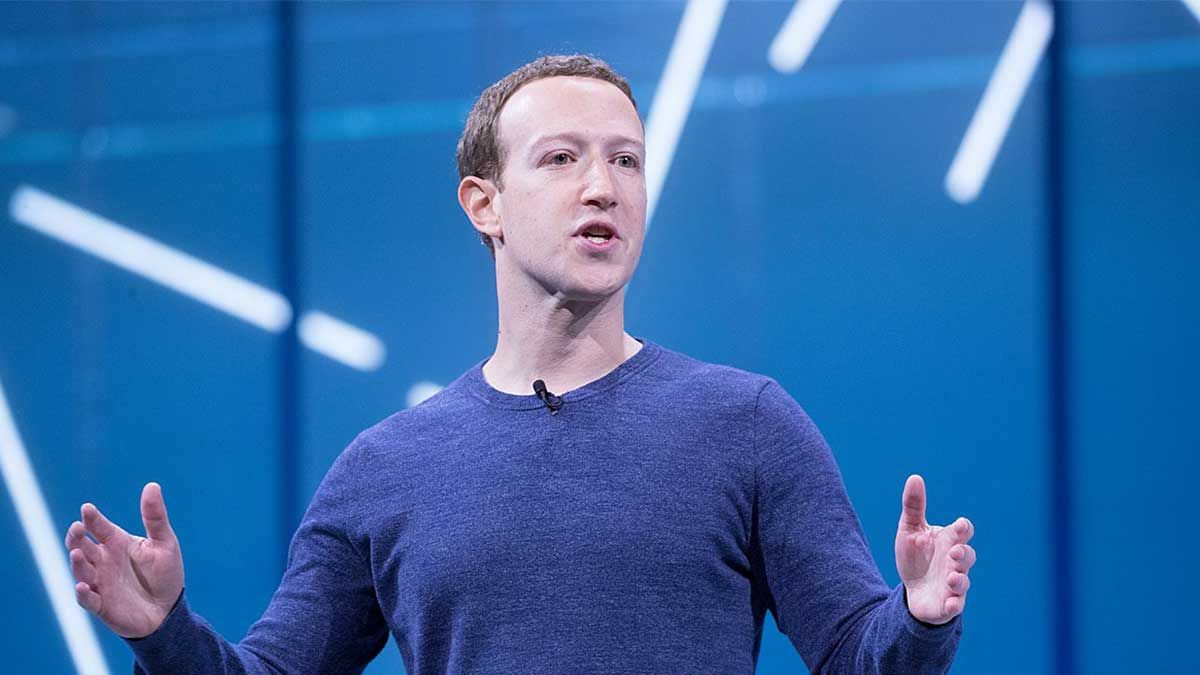
Mark Zuckerberg, the CEO of Meta, is reportedly building a sprawling $100 million compound in Kauai, Hawaii, complete with a 5,000-square-foot underground shelter, its own energy and food supplies, and a blast-resistant door. While Zuckerberg has downplayed the project as a "little shelter," the sheer scale and secrecy surrounding it have fueled speculation that it's a state-of-the-art doomsday bunker.
And he's not alone. Sam Altman, the CEO of OpenAI, has openly admitted to stockpiling "guns, gold, potassium iodide, antibiotics, batteries, water, [and] gas masks from the Israeli Defense Force" and has a "big patch of land in Big Sur I can fly to." LinkedIn co-founder Reid Hoffman has said that "apocalypse insurance" is a common consideration among the ultra-wealthy, with many viewing remote, stable countries like New Zealand as ideal escape locations. PayPal co-founder and venture capitalist Peter Thiel famously obtained New Zealand citizenship after spending only 12 days in the country, a move widely seen as securing a "bolt-hole" in case of a global catastrophe.
The Anxieties of the Architects of Our Future
So, what's driving this billionaire survivalist movement? The fears are as varied as the individuals themselves, but some common themes emerge. They're not just worried about traditional apocalyptic scenarios like nuclear war or pandemics. A significant portion of their anxiety stems from the very technologies they've helped create.
There's a growing concern within Silicon Valley about the potential for social and political instability fueled by technological disruption, wealth inequality, and civil unrest. Some fear a "pitchforks" scenario, where the masses rise up against the ultra-wealthy.
Perhaps most ironically, some of the most prominent figures in the artificial intelligence revolution are also some of the most vocal about its potential dangers. There's a palpable fear that the development of Artificial General Intelligence (AGI) — a theoretical point where machines match human reasoning — could lead to unforeseen and catastrophic consequences. In a sentiment that perfectly captures this paradox, Ilya Sutskever, a co-founder and former chief scientist at OpenAI, reportedly told colleagues, "We're definitely going to build a bunker before we release AGI."
A Moral Failure or a Rational Response?
Critics view this trend as a profound moral failure. They argue that instead of using their immense wealth and influence to address the world's most pressing problems, these billionaires are simply planning their own escape from a future they had a hand in creating. Douglas Rushkoff, a media theorist who has studied the phenomenon, calls it "the mindset," a belief that with enough money and technology, they can insulate themselves from the very crises they are helping to fuel.
However, others see it as a rational, if extreme, form of risk management. For a class of people accustomed to thinking in terms of probabilities and existential threats, preparing for a low-probability, high-impact event is simply a logical extension of their worldview.
The question of whether we should be worried is complex. On one hand, the fact that some of the world's most informed and influential people are preparing for societal collapse is undeniably unsettling. It suggests a deep-seated pessimism about the future and a lack of faith in our collective ability to solve our problems.
On the other hand, it's important to remember that these are individuals with the resources to act on anxieties that most people can't afford to entertain. Their preparations are not necessarily a sign of imminent doom, but rather a reflection of their own unique psychology and a desire to control their own destinies in an increasingly unpredictable world.
Ultimately, the rise of the billionaire prepper serves as a stark reminder of the growing anxieties of our time. Whether their fears are prescient or simply paranoid, their actions raise uncomfortable questions about wealth, power, and the future of a society where those at the top are planning their escape.
🧠 Related Posts
💬 Leave a Comment