Alibaba Enters Global Wearables Race with Launch of Quark AI Glasses in China
Nov 27, 2025 |
👀 172 views |
💬 0 comments
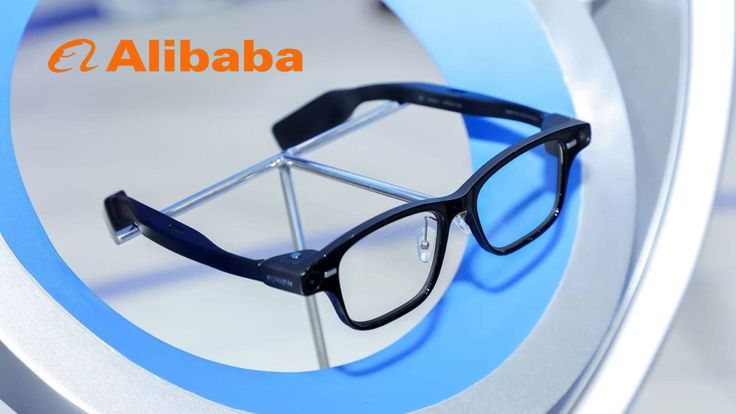
Chinese e-commerce and technology titan Alibaba has officially entered the high-stakes global wearables market, launching its first generation of smart eyewear, the Quark AI Glasses. The new device, which began selling in China on Thursday, marks Alibaba's first major foray into consumer hardware as it seeks to challenge Meta and Apple for dominance in the post-smartphone era.
Powered by Alibaba's own large language model, Qwen, the glasses are designed not just as a standalone gadget but as a physical interface for the company’s vast digital ecosystem, integrating shopping, payments, and navigation directly into the user's field of view.
Two Models to Rival Meta
Alibaba has released two distinct versions of the wearable to cater to different segments of the market:
Quark S1 (Flagship): Priced at 3,799 yuan ($537), this high-end model features dual micro-OLED displays that project information directly into the wearer's eyes. It boasts a "swappable dual-battery system"—a direct shot at competitors plagued by short battery life—which Alibaba claims allows for 24 hours of continuous use. It also includes "Super Raw" camera technology for high-quality night photography.
Quark G1 (Lightweight): Starting at a more accessible 1,899 yuan ($268), this model is designed for all-day wear. It lacks the visual displays of the S1 but retains the AI and camera capabilities in a lighter, 40-gram frame, positioning it as a direct competitor to the popular Ray-Ban Meta smart glasses.
The "Killer Feature": Ecosystem Integration
While Meta’s glasses rely on social media integration, Alibaba is leveraging its dominance in commerce and services to make the Quark glasses indispensable for daily life in China.
The glasses come deeply integrated with Alibaba's suite of apps:
Taobao: Users can look at a product in the real world, and the glasses will instantly identify it and provide price comparisons from Alibaba’s shopping site.
Alipay: The glasses support "Look and Pay," potentially allowing users to authorize payments visually.
Amap & Fliggy: The device offers near-eye navigation and travel updates, utilizing the company's mapping and travel platforms.
"Alibaba is not a monopoly in e-commerce anymore," noted Beijing-based analyst Li Chengdong. "It hopes AI can help it secure the next-generation traffic gateway."
A Crowded Global Race
The launch intensifies the global battle for the "face" of the consumer. While currently available only in China, the move signals Alibaba's intent to compete on the world stage against Meta, whose Ray-Ban glasses have captured roughly 80% of the market, and Samsung, which recently released its Galaxy XR headset.
With international rollout plans hinted at for 2026, Alibaba is betting that a device focused on practical utility—shopping, navigating, and translating—will find a massive audience ready to move beyond the smartphone.
🧠 Related Posts
💬 Leave a Comment