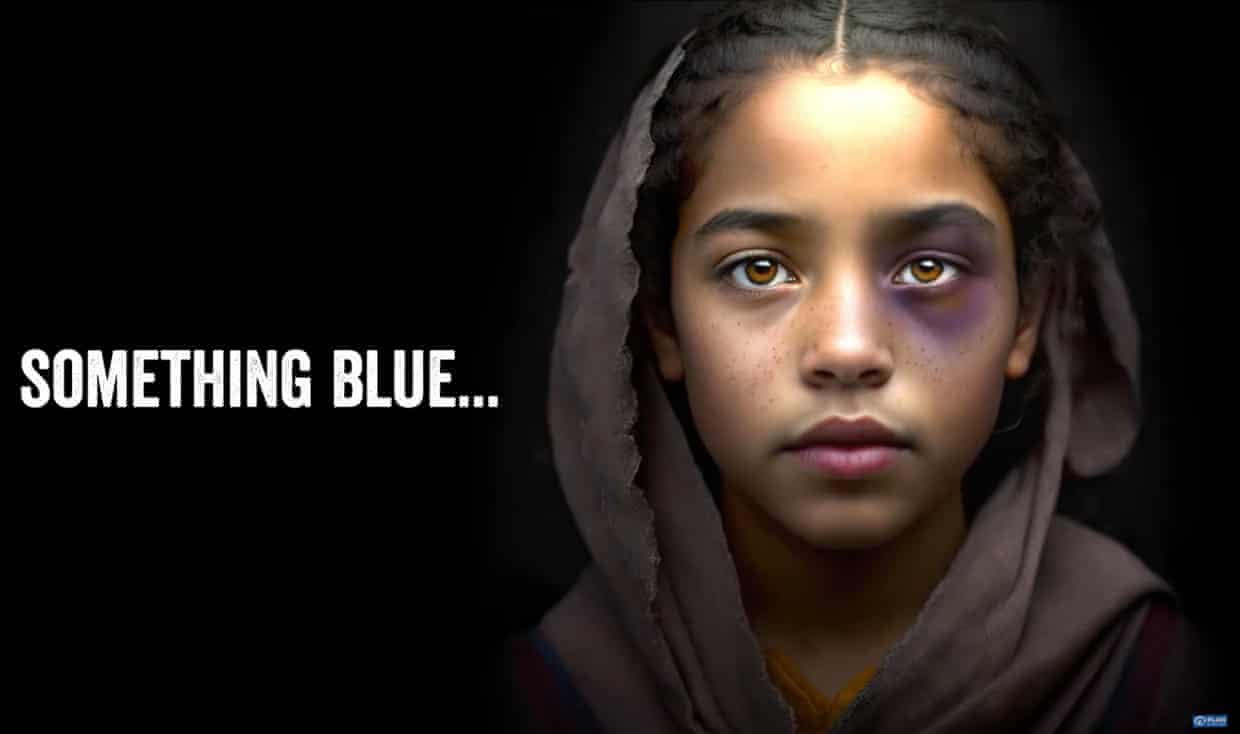
Aid Agencies Under Fire for Using AI-Generated Images of Poverty
Oct 20, 2025 |
👀 197 views |
💬 0 comments
International aid organizations are facing a growing wave of criticism for allegedly using artificial intelligence to create fake, often stereotypical, images of poverty and suffering for their fundraising and awareness campaigns – a practice condemned by critics as a new, ethically dubious form of "poverty porn."
Reports and analysis from media watchdogs and ethical marketing groups suggest that some non-governmental organizations (NGOs) are turning to AI image generators instead of using authentic photographs of the people and communities they serve. These synthetic images often depict exaggerated scenes of destitution, featuring digitally created individuals designed to elicit maximum sympathy and donations.
The Rise of Synthetic Suffering
The motivations behind using AI-generated imagery are varied. Some organizations might see it as a cost-cutting measure, cheaper than commissioning professional photographers. Others might use it to create highly specific scenarios for campaigns or to avoid the complex ethical and consent issues involved in photographing vulnerable individuals, particularly children.
However, critics argue that these justifications fall short when weighed against the profound ethical problems the practice creates:
Deception and Misrepresentation: Using fake images fundamentally misrepresents the reality on the ground. Donors believe they are seeing real people and situations, but they are instead being shown a digital fabrication designed to manipulate their emotions.
Perpetuating Harmful Stereotypes: AI models are often trained on existing datasets, which can themselves contain biases. Critics argue that AI-generated images of poverty often rely on and reinforce outdated, harmful stereotypes of helplessness and victimhood, stripping individuals of their dignity and agency.
Erosion of Trust: The use of fake imagery risks severely damaging the credibility of the aid sector. If donors cannot trust that the images they see are real, their confidence in the organization's overall mission and impact may be undermined.
The "Poverty Porn" Debate Amplified: The term "poverty porn" refers to media that exploits the poor's condition to generate sympathy for donations or support. Using AI to create these exploitative images takes this ethical breach a step further, manufacturing suffering for marketing purposes.
A Call for Authenticity and Respect
Ethicists and development professionals are calling for greater transparency and a recommitment to authentic storytelling. They argue that while AI has potential uses in the aid sector, replacing real human stories and images with synthetic ones crosses a dangerous line.
"The people we serve deserve to have their stories told with dignity and truth, not reduced to an algorithm's interpretation of suffering," commented one development analyst. "Using fake images is not only dishonest; it dehumanizes the very people these organizations claim to help."
The controversy highlights a growing tension between the pressures of modern fundraising and the core ethical responsibilities of humanitarian work. As AI technology becomes more sophisticated, the aid sector faces critical choices about how it represents reality and whether the ends truly justify the means.
🧠 Related Posts
💬 Leave a Comment